


So, you’re looking into GigaML (the company now goes by Giga, and gigaml.com redirects there). It’s definitely made a splash as an AI platform for enterprise customer support, especially for companies that handle tons of phone calls. It brings some heavy-duty tools to the table, but that "enterprise" label comes with some strings attached, like complexity, high costs, and a longer setup time.
In this review, we'll walk you through what GigaML does, where it really shines, and where it might fall short. We'll also show you a different approach for teams who want powerful AI without the enterprise-sized headaches.
What is GigaML?
At its core, GigaML provides AI agents to handle customer support through voice and chat. They've built their reputation working with huge B2C companies like DoorDash, proving they can manage a massive number of customer issues. Giga raised a $61M Series A led by Redpoint in November 2025.
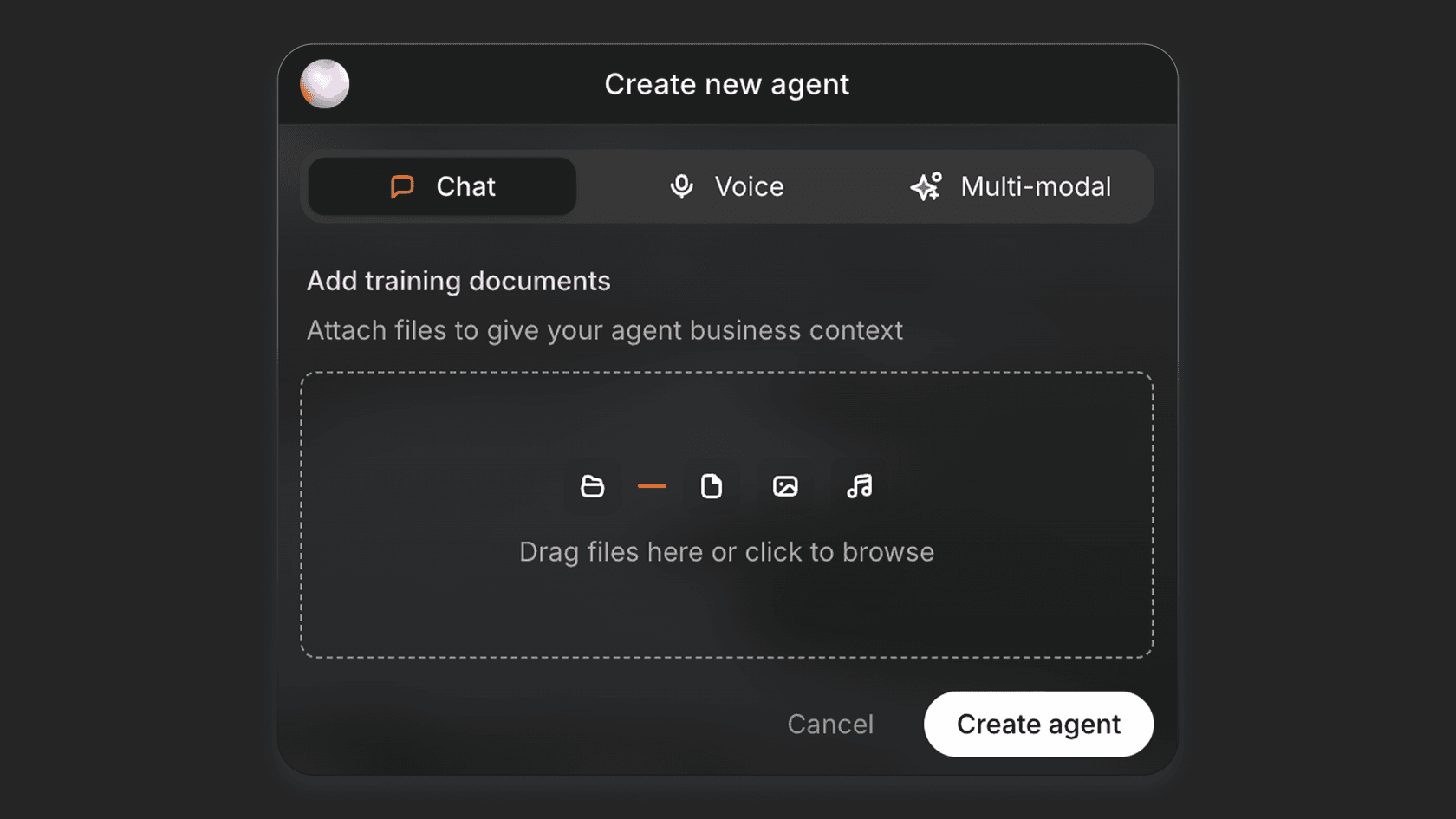
Their main claim to fame is a voice AI that sounds natural and emotionally aware, built to handle the chaos of a busy call center. They say they can get a system "up and running in two weeks," which sounds great on paper for a big company. Technically, GigaML uses fine-tuned large language models (LLMs) that can be deployed on-premise. For companies with strict data privacy rules, keeping all that data on their own servers is a huge plus.
A closer look at GigaML's core features
GigaML's platform is built around a few key parts that let you create, manage, and tweak AI agents for a large-scale operation. Let's break them down.
The agent canvas for building AI workflows
Think of the Agent Canvas as the command center for your AI. It’s a visual tool where you design how your AI agent behaves, set its policies, test it out, and watch how it interacts with customers. It’s a whole system for building a custom AI from the ground up.
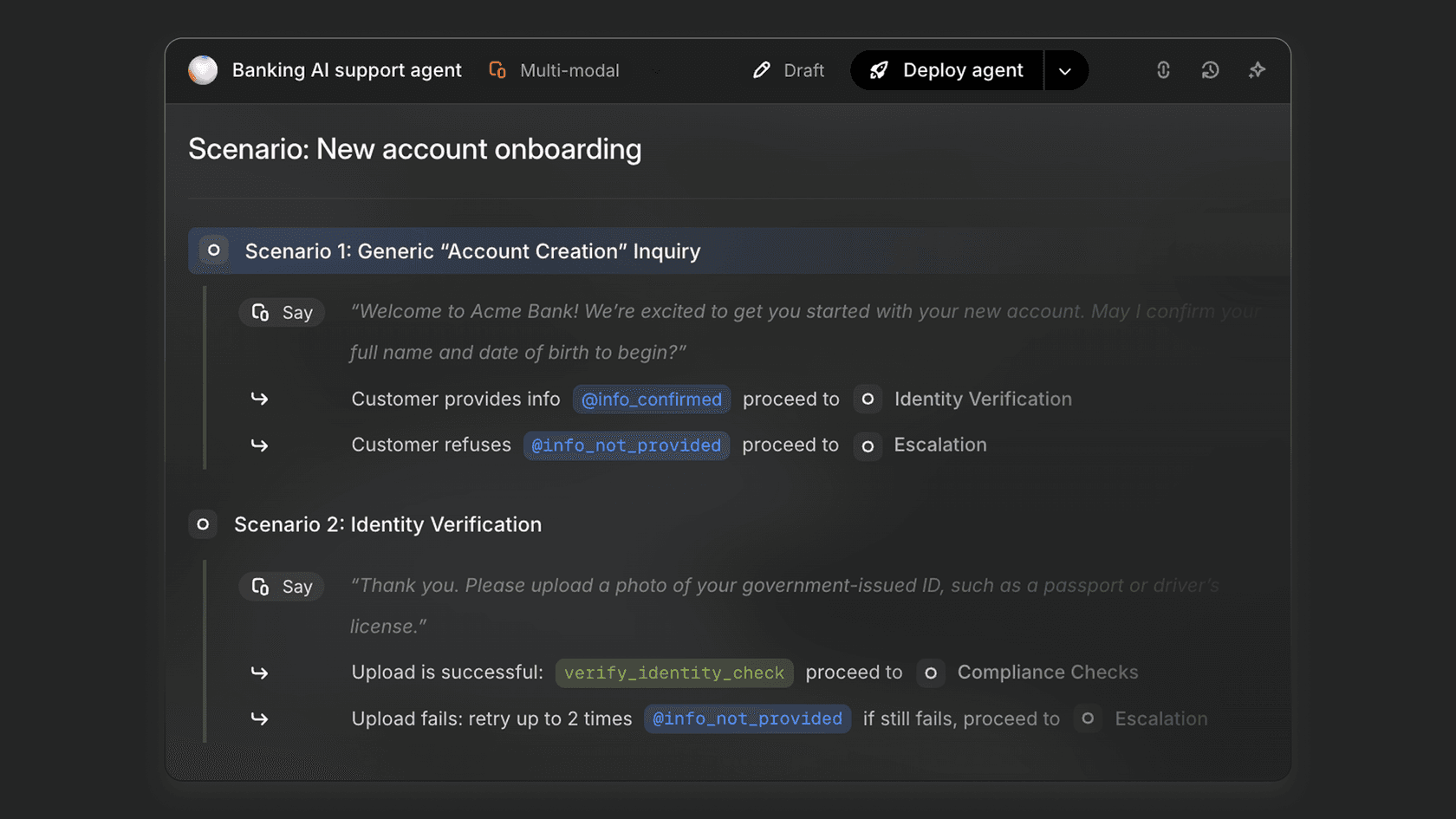
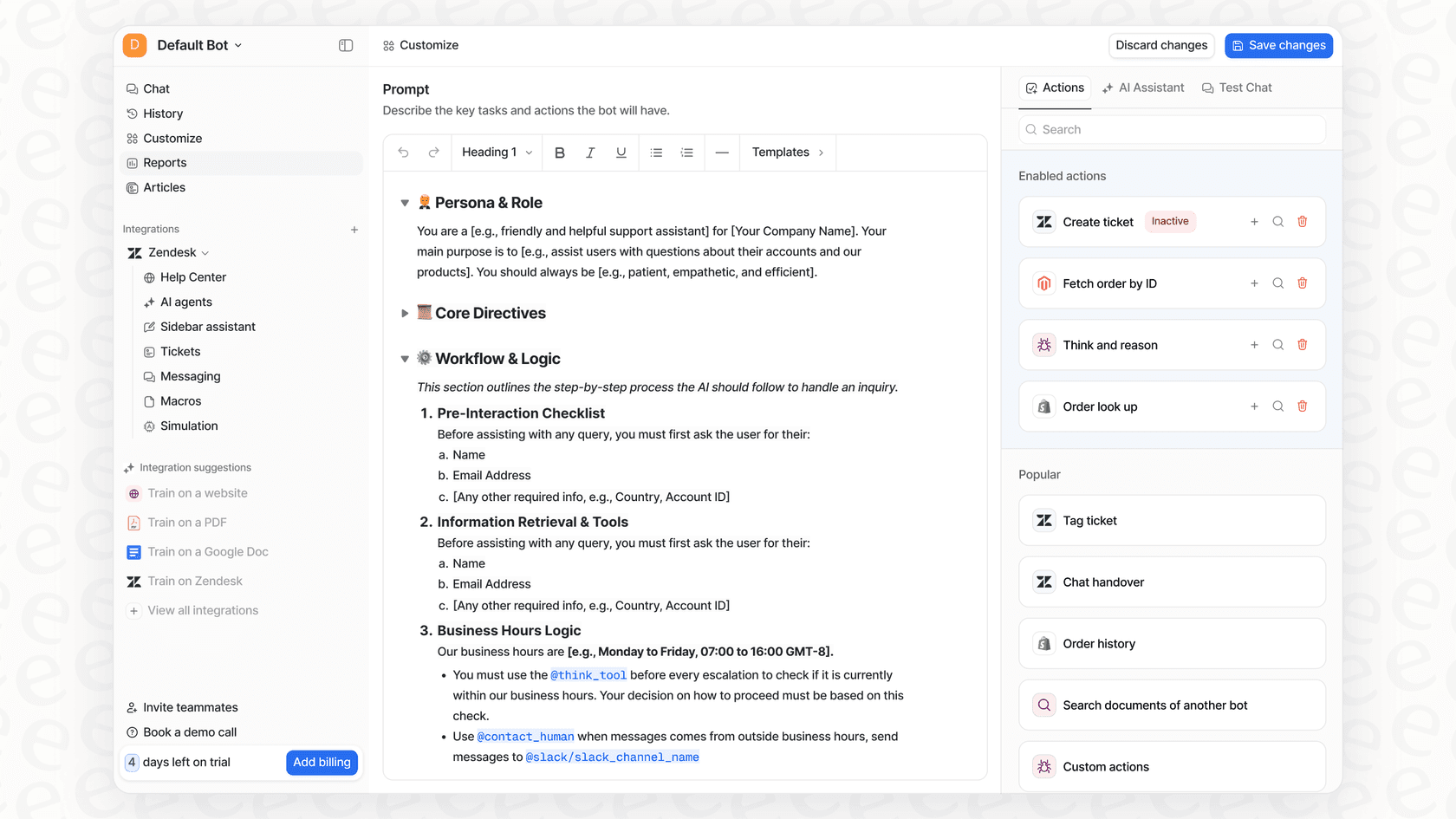
But here’s the thing: a powerful tool like this usually means a lot of setup and ongoing work. It’s not something you just turn on and forget about. In fact, GigaML has job postings for roles like "Agent Engineer." When a company needs to hire a special engineer just to run its software, you know it’s not exactly a plug-and-play solution. This is a world away from eesel AI, which gives you a straightforward, self-serve dashboard. With eesel AI, a non-technical support manager can connect their helpdesk, set up an AI agent, and go live in just a few minutes, no coding required.
An empathetic and natural voice experience
Okay, credit where it's due: GigaML's voice AI is seriously good. It's designed to deliver a pretty impressive experience over the phone. It includes features like personalized voices that match your brand, super-fast response times, and the ability to handle interruptions and different accents.
If your number one priority is automating phone support with an AI that sounds uncannily human, GigaML is definitely worth a look.
Smart insights for performance analysis
GigaML includes a feature called "Insights" (it launched as Smart Insights), which sifts through conversation transcripts to find patterns and suggest ways to improve. It can spot recurring problems and recommend changes to your agent’s setup to help you hit goals like first-contact resolution.
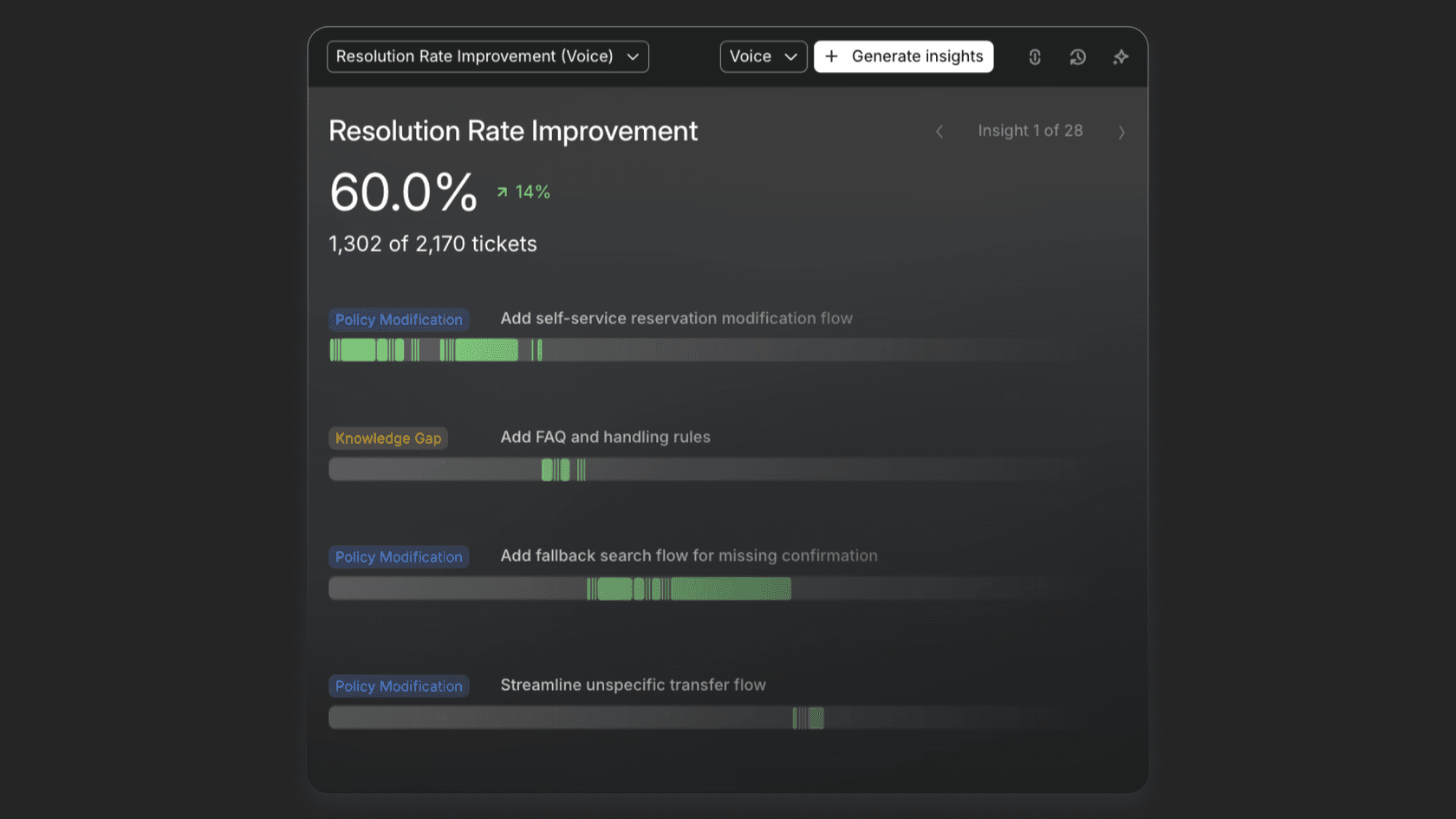
This is helpful for making improvements over time. I also found that Giga has added Scout, which files each fix as a policy, tooling, or knowledge change, tests safe ones on a slice of traffic, and routes risky ones to a human. The Actionable Reporting from eesel AI takes a different angle. It doesn't just tell you what the AI did; it automatically points out specific gaps in your knowledge base. This gives you a clear, immediate to-do list for making the AI more accurate, without you having to read through pages of transcripts.
Things to consider before choosing GigaML
While the features are robust, GigaML’s focus on large enterprises brings a few practical limitations you should think about before signing on the dotted line.
Enterprise-first setup and deployment process
GigaML’s promise to get you "up and running in two weeks" might sound quick for an enterprise tool, but that two-week period is likely packed with meetings. You can expect multiple sales calls, a mandatory demo, contract negotiations, and a good chunk of your engineering team's time to get everything integrated.
With eesel AI, the approach is completely different. You can sign up on your own, use one-click integrations to connect your helpdesk, and have a working AI agent in less time than it takes to brew a pot of coffee. You don't have to wait for anyone to call you back.
A deployment model that asks for a leap of faith
Giga agents come with a test suite (the Giga CLI runs it with giga tests run), and Scout tests changes on a slice of live traffic. What I couldn't find is a public description of replaying an agent against your own past tickets before you sign, so the first look often comes from a demo.
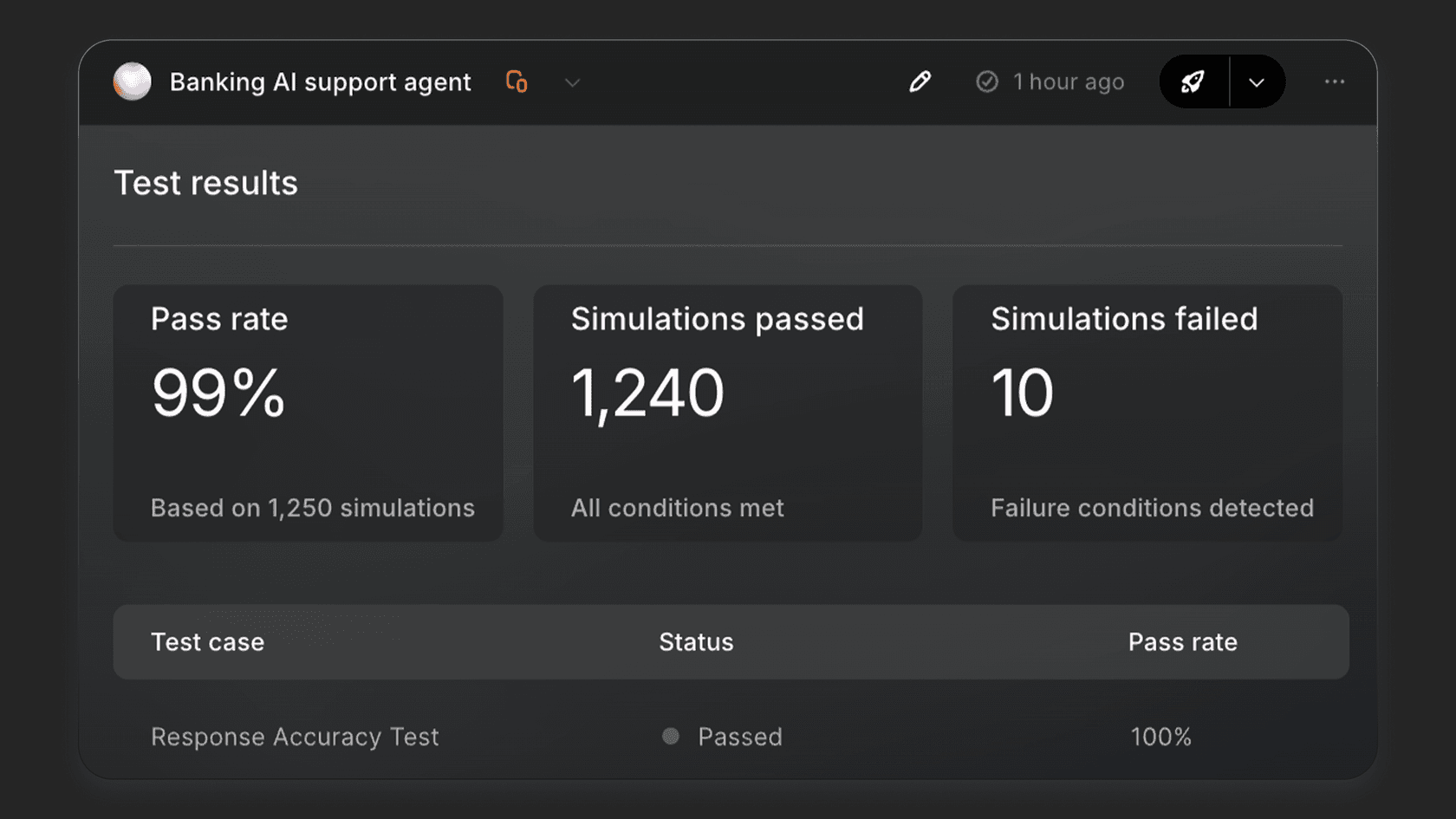
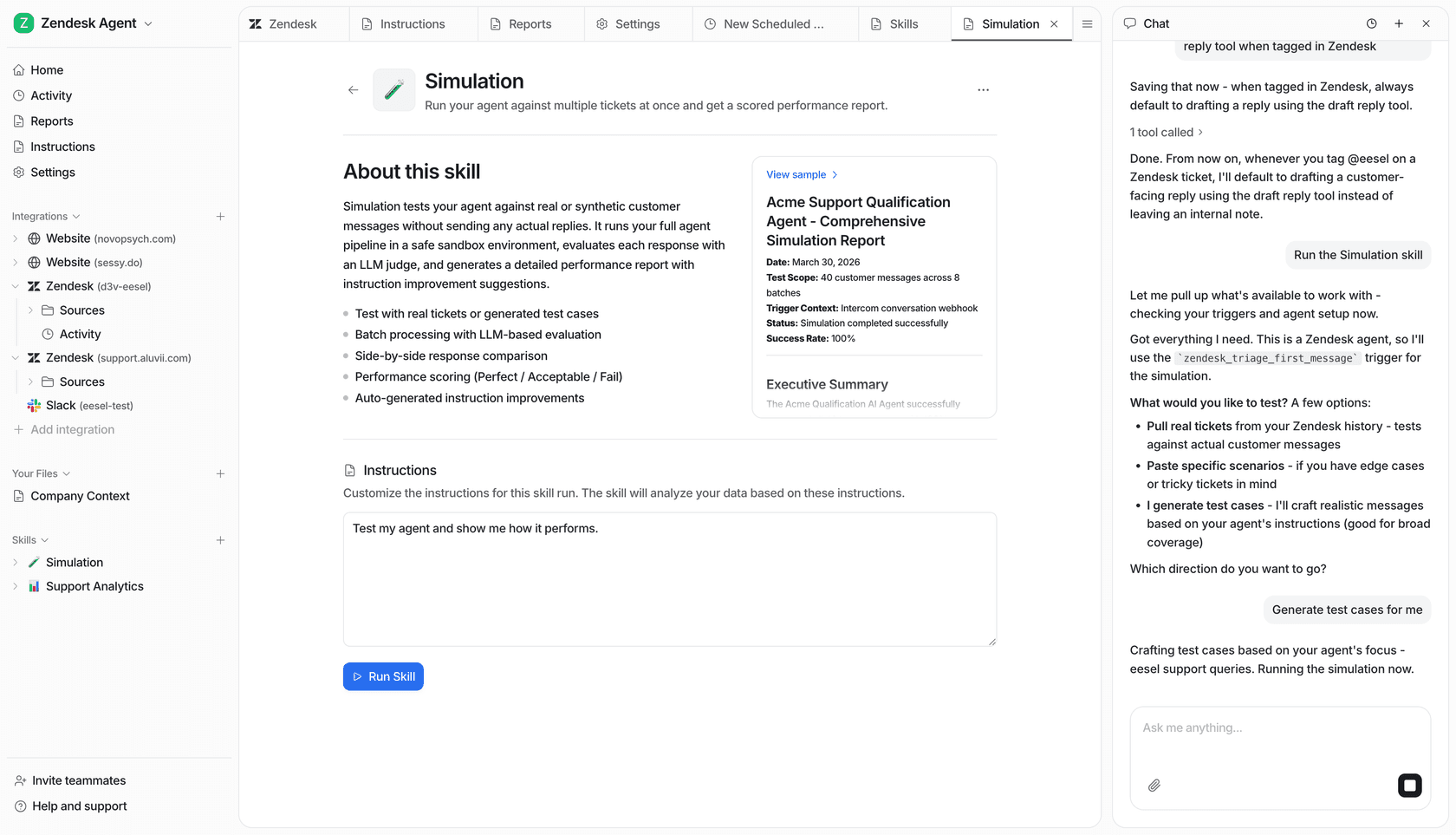
This is where the Powerful Simulation Mode from eesel AI really makes a difference. It lets you test your AI agent against thousands of your own past support tickets in a safe environment. You can see exactly how the AI would have replied, get an accurate prediction of its resolution rate, and find areas to improve, all before it ever talks to a live customer. It takes all the guesswork out of the launch.
Disconnected knowledge sources
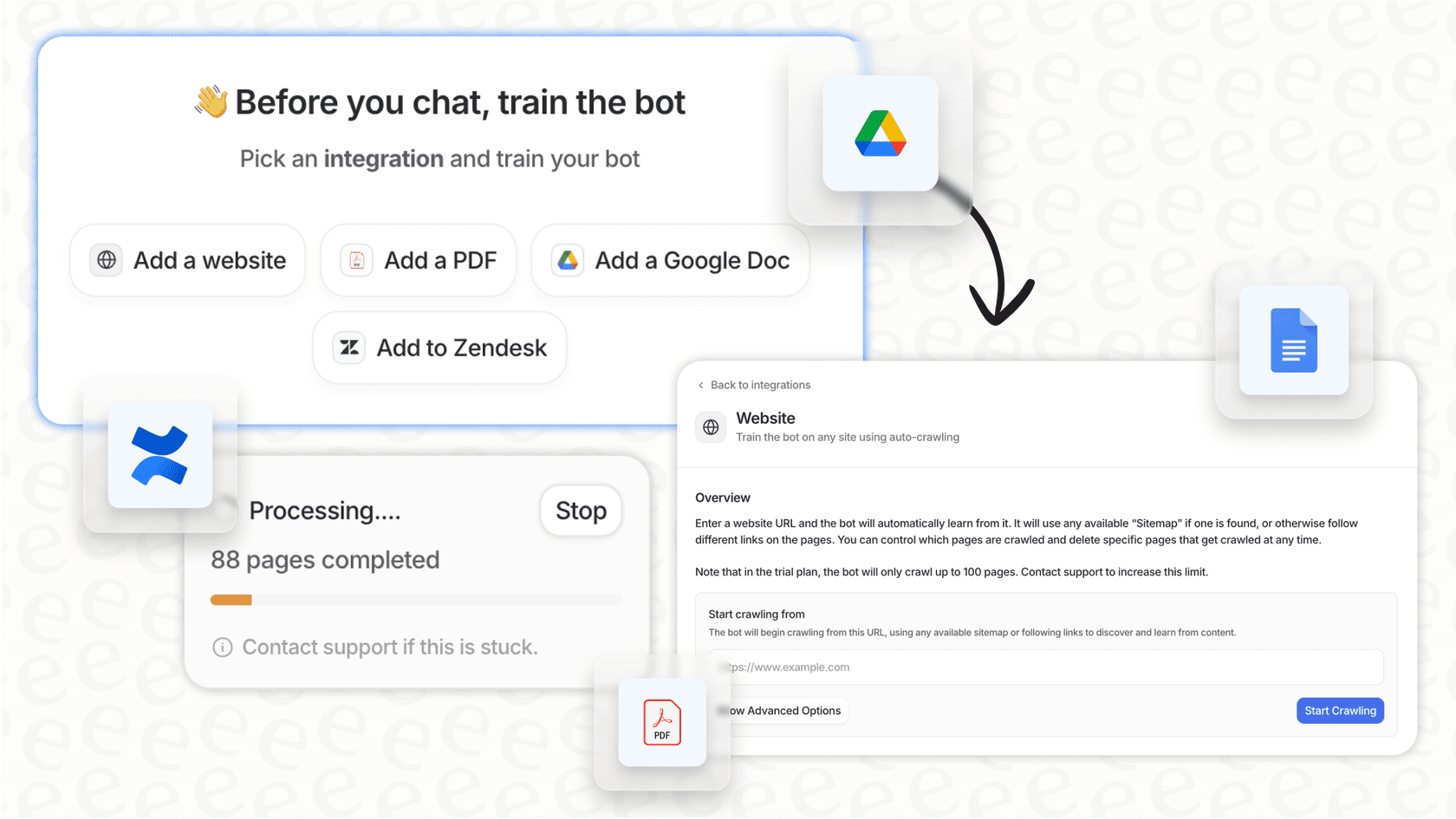
From what I can see on Giga’s site, agents draw on a knowledge base you import documents into, and I didn't find a public list of helpdesk or wiki connectors. This is a classic problem with AI systems. Your company's knowledge isn't a static pile of documents; it lives in wikis, shared drives, and past conversations, and it’s always changing. A manual import process is a chore and can leave your AI working with outdated information.
eesel AI was designed to solve this exact issue by its ability to unify knowledge instantly. It plugs directly into all the places your team's knowledge already exists, like your helpdesk (Zendesk), wikis (Confluence), and cloud storage (Google Docs). It also learns from your past tickets automatically, so its answers are always based on the most current information without any manual feeding.

GigaML pricing
Let's talk money. Or, in GigaML's case, let's talk about not talking about money, because they don't publish their pricing online. To get a number, you have to go through their sales team using the "See a demo" button on giga.ai (the /pricing page returns a 404).
This is pretty standard for enterprise software, but it tells you a few things. The pricing is custom-built for large budgets, not for teams that need a predictable, scalable solution. You'll also likely be signing an annual or multi-year contract. And I found no self-serve plan or card checkout on the public site. This lack of transparency makes it tough to really evaluate GigaML without committing to a full sales process.
| Feature | GigaML | eesel AI |
|---|---|---|
| Public Pricing | Not available | Fully transparent |
| Free Trial | Unknown, requires demo | Yes, self-serve |
| Monthly Plans | None published | Yes, cancel anytime |
| Per-Resolution Fees | Unknown | Fixed monthly credit plans, from $299/mo |
eesel AI: The simple and powerful GigaML alternative
If you've been reading along, you've probably spotted the theme. Enterprise tools like GigaML often mean slow setups, complicated software, and hidden pricing. They're built for companies that have teams of engineers and months to spare on a new tool.
For everyone else, there's eesel AI. It's the perfect alternative for teams that want reliable AI automation without all the enterprise baggage.
The GigaML path
Getting started typically involves contacting sales, sitting through a demo, getting a custom quote, negotiating a contract, and then spending at least two weeks with your technical team on implementation before you can finally go live.
The eesel AI path You can sign up for a free trial, connect your helpdesk in about five minutes, run a simulation to see how it works with your data, and then activate a simple monthly plan. You can be live today.
It really comes down to this:
-
Go live in minutes, not months: A true self-serve setup with one-click integrations gets you up and running right away.
-
Total control and risk-free testing: Fine-grained controls and a powerful simulation mode let you launch an AI with total confidence.
-
Transparent and predictable pricing: Clear monthly and annual plans: 500 credits from $299/month, with 1 credit per ticket or chat.
Is GigaML the right AI for your support team?
GigaML is a serious tool for huge, voice-first companies that have the budget, time, and technical staff to handle a complex, custom-built system. Its voice AI is top-notch and made for high-stakes call center automation.
But for most businesses that just need a flexible, fast, and easy-to-use AI support platform, eesel AI is a much more practical and transparent choice. It gives you enterprise-level power in a package that anyone on your support team can actually use.
Why not see for yourself? You can connect your helpdesk and start simulating your AI agent in the next few minutes.
Frequently asked questions
What exactly is GigaML designed to do for enterprise customer support?
GigaML primarily provides AI agents to handle customer support through voice and chat for large B2C companies. It specializes in automating responses and resolving high volumes of customer issues, particularly in call centers.
How natural and effective is the voice experience offered by GigaML?
The GigaML voice AI is highly regarded for being empathetic and natural-sounding. It’s designed to deliver an impressive phone experience, including personalized voices, rapid response times, and the ability to handle interruptions and diverse accents.
What should I expect in terms of setup and deployment time for GigaML?
While GigaML suggests a two-week setup, this period likely involves significant engagement from your engineering team, multiple sales calls, mandatory demos, and contract negotiations. It’s an enterprise-first deployment process that requires dedicated internal resources.
Is GigaML a good fit for businesses that aren't large enterprises?
GigaML is primarily built for large enterprises with substantial budgets, dedicated technical teams, and complex needs. For most businesses seeking a flexible, fast, and easy-to-use AI support platform, it might prove overly complex and costly.
Why isn't the pricing for GigaML publicly available on their website?
GigaML's pricing is not published online because it is custom-built for large enterprise budgets, requiring a personalized demo and sales consultation. This approach indicates a focus on custom, often multi-year contracts rather than transparent, self-serve plans.
How does GigaML integrate with existing knowledge sources to train its AI?
Giga agents draw on a knowledge base that your team imports documents into, and I did not find a public list of helpdesk or wiki connectors. That means your team needs to keep those documents current so the AI has the latest information.