


It seems like AI is popping up in every field imaginable, and the super-specialized world of patent law is no different. Tools like Solve Intelligence are promising to make patent attorneys’ lives easier, but what's actually happening on the ground? A quick look at online discussions, from Reddit threads to user reviews, shows that people are pretty divided. Some lawyers see it as a handy way to offload tedious tasks, while others complain that fixing the AI's output takes more time than just writing the draft themselves.
This guide is a straightforward look at what we've learned from public information and Solve Intelligence reviews. We'll get into its features, what it’s like to use, its mysterious pricing, and the limitations that seem to be holding it back. We’ll also compare its old-school, enterprise-first approach to newer, self-serve AI platforms that are all about being easy to use and upfront about everything.
What is Solve Intelligence?
At its core, Solve Intelligence is an AI platform built for legal professionals working in intellectual property (IP). It’s basically a souped-up document editor that lives in your browser and helps with the whole patent process, from capturing an invention idea to drafting the application and handling back-and-forth with the patent office.
According to their site and what users are saying, the platform uses generative AI to help draft patent claims, build out specifications from those claims, check for prior art, and write responses to examiner rejections. They talk a lot about making things more efficient, and some customers do report saving a good chunk of time. G2 shows 4.9 out of 5 across 17 reviews for Patent Copilot, and Solve's homepage says 700+ IP teams and law firms use it. Solve Intelligence also makes a point to highlight its security chops (SOC 2 Type II and ISO 27001, with ISO 42001 in progress), which is obviously a big deal when you're handling sensitive client info.
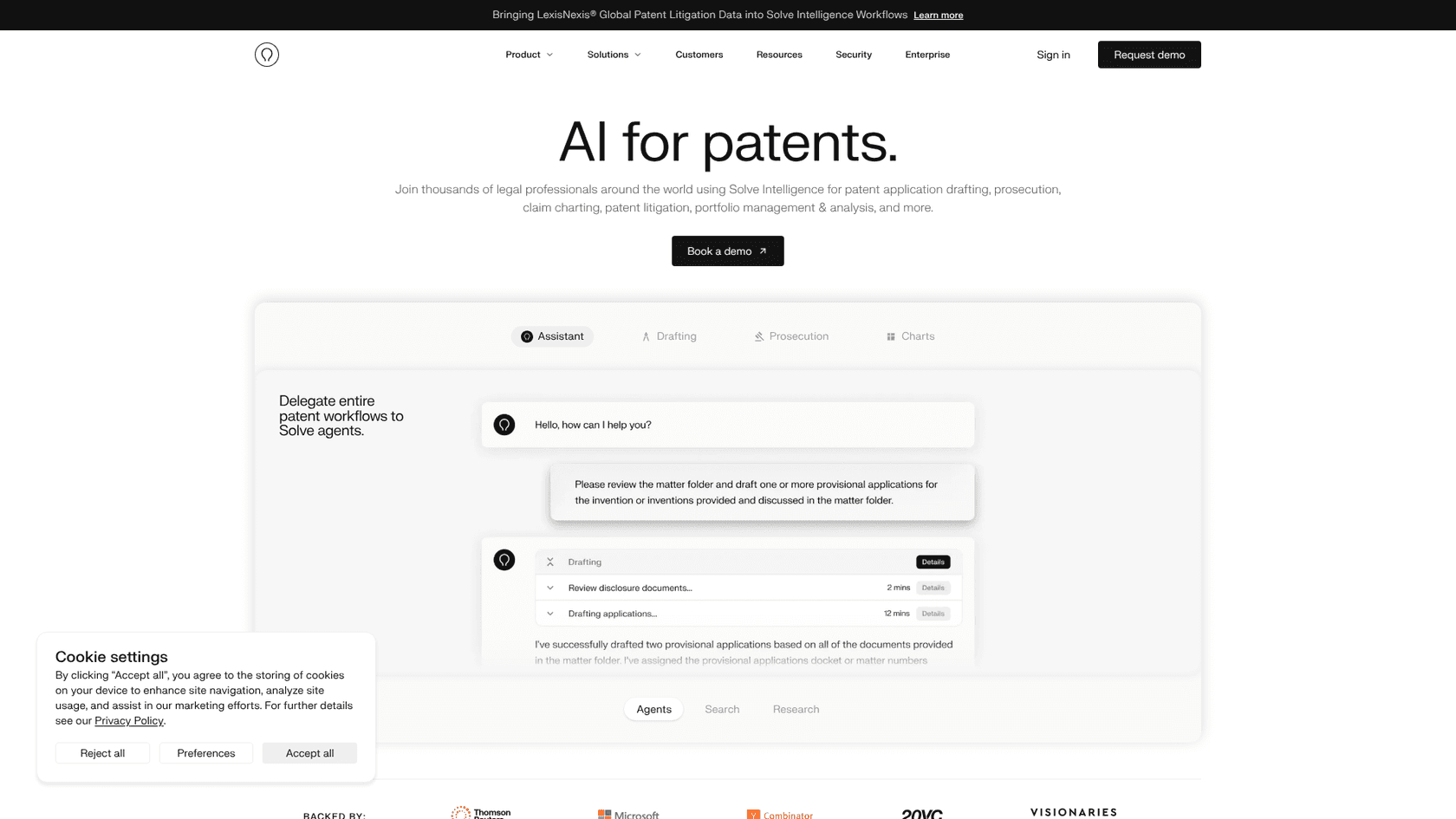
But, as many patent attorneys have pointed out, the quality of the AI-generated drafts can be a real coin toss. They often need a heavy dose of human editing to get them up to the high standards patent law demands.
Key features of Solve Intelligence
Based on what users are saying and what the company puts out, Solve Intelligence has a bunch of features for patent pros. The promises sound great, but how they work in the real world reveals a few things you should know.
Patent application drafting
The main event for Solve Intelligence is its ability to whip up a first draft of a patent application. You feed it the claims, and the AI spits out the detailed description, summary, and other bits and pieces. Some users say this is great for beating that "blank page" paralysis and taking care of the standard boilerplate text.
One attorney on Reddit mentioned it let them shift their focus from 'writing 20-30 pages of text to better figures and claims' and just revising the AI's first attempt.

However, a common complaint you’ll see in Solve Intelligence reviews and general chats about patent AI is about the quality of what it produces. Many lawyers find the drafts feel generic and miss the strategic nuance that makes a patent strong. As one user bluntly put it, the worry is that editing the AI's work can end up harder than drafting directly, especially when the AI starts making things up or just doesn't grasp the core of the invention.
Patent prosecution and analysis
Solve Intelligence also has tools to help with patent prosecution, like analyzing office actions and suggesting arguments or changes to claims. It can pull up relevant case law and scan documents for inconsistencies, which can definitely save a junior associate some time or help quickly double-check an examiner’s points. The homepage now also lists claim charts for invalidity, freedom-to-operate, and infringement work, plus agents that take on whole workflows.
The problem is, legal arguments are complicated. An AI might be good at spotting relevant prior art, but it often fumbles when trying to build the kind of persuasive, context-rich argument needed to win over a patent examiner. This is a pretty common issue with AI today; it's great at finding patterns but doesn't have real analytical thinking skills.
The user experience: A clunky workflow
A recurring gripe is that Solve Intelligence drafting happens in its own browser editor rather than a native Microsoft Word plugin. Patent attorneys practically live in Word, so a separate editor can mean a lot of exporting and importing documents. Solve's homepage now lists Microsoft Word among its integrations, so I'd ask in the demo exactly what that covers before treating this as settled.
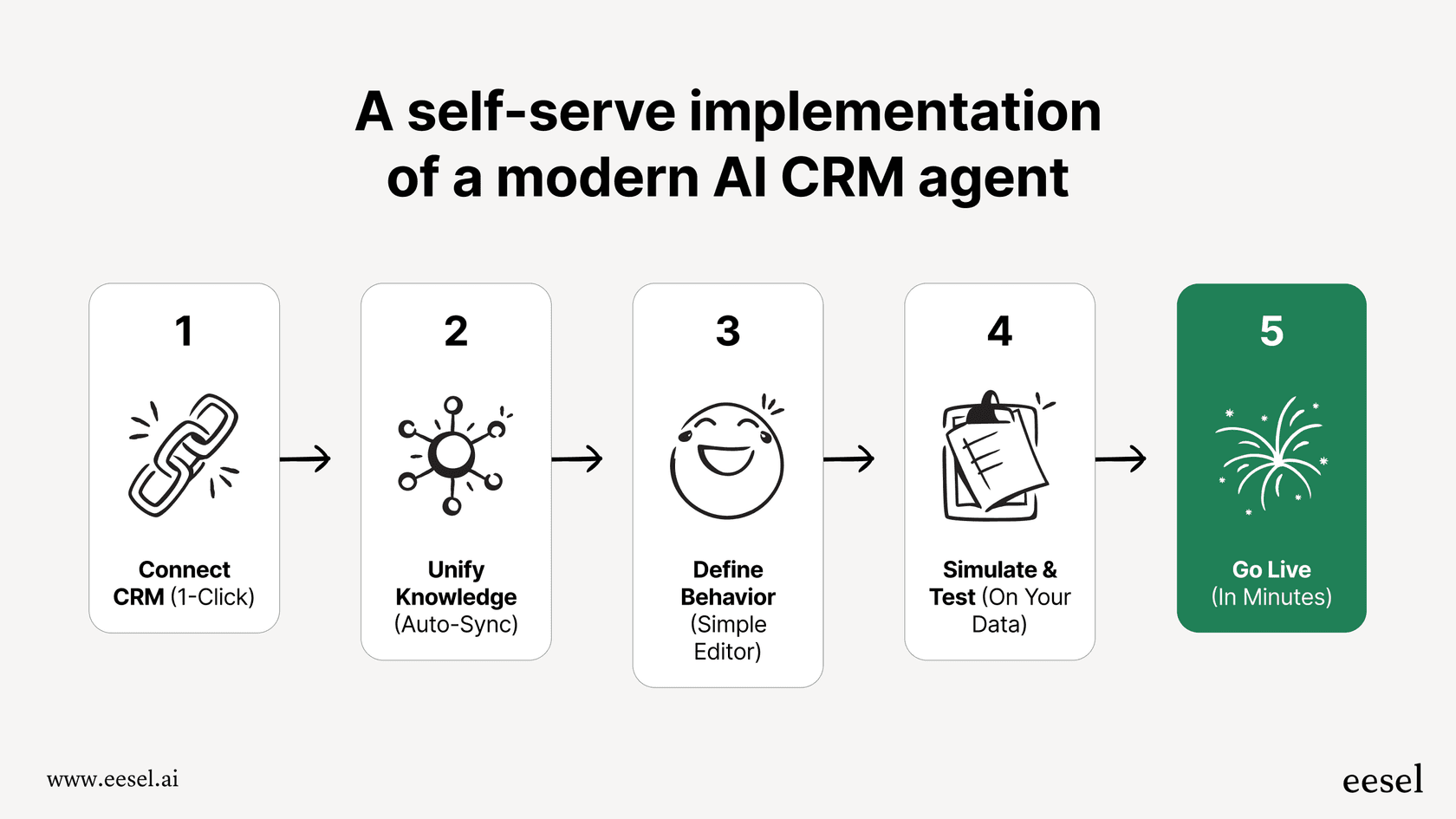
This feels pretty dated compared to modern AI tools that are built to slide right into your existing setup. For example, platforms like eesel AI connect with a single click to help desks you already use, like Zendesk and Freshdesk. The whole idea is to enhance how you already work, not make you learn a whole new system. With eesel AI, you can be up and running in minutes because it fits into your current workflow, which is a huge plus for teams that don't have time for major disruptions.
Implementation and usability
Trying to adopt a tool like Solve Intelligence isn't as simple as just signing up online. The whole process feels like you’re buying traditional enterprise software, which can be a real headache for modern law firms and in-house teams.
The onboarding process
Solve's site lists no self-serve sign-up or free trial. The way in is to request a demo and talk to the team. This sales-first approach means you may not get to play around with the software on your own cases first. You get their polished demo with perfect examples instead of getting to test it on a messy, real-world invention disclosure.
A lot of modern companies have moved on from this model. At eesel AI, we’re all about a "radically self-serve" experience. You can sign up, connect your knowledge bases, and build an AI agent in a few minutes without ever having to get on a call with sales. This transparency lets you see the actual value for yourself, with no strings attached.
Rolling out the AI
Another worry with specialized AI tools is their reliability. How can you be sure the AI won't make a critical mistake on a live patent application when the stakes are so high?
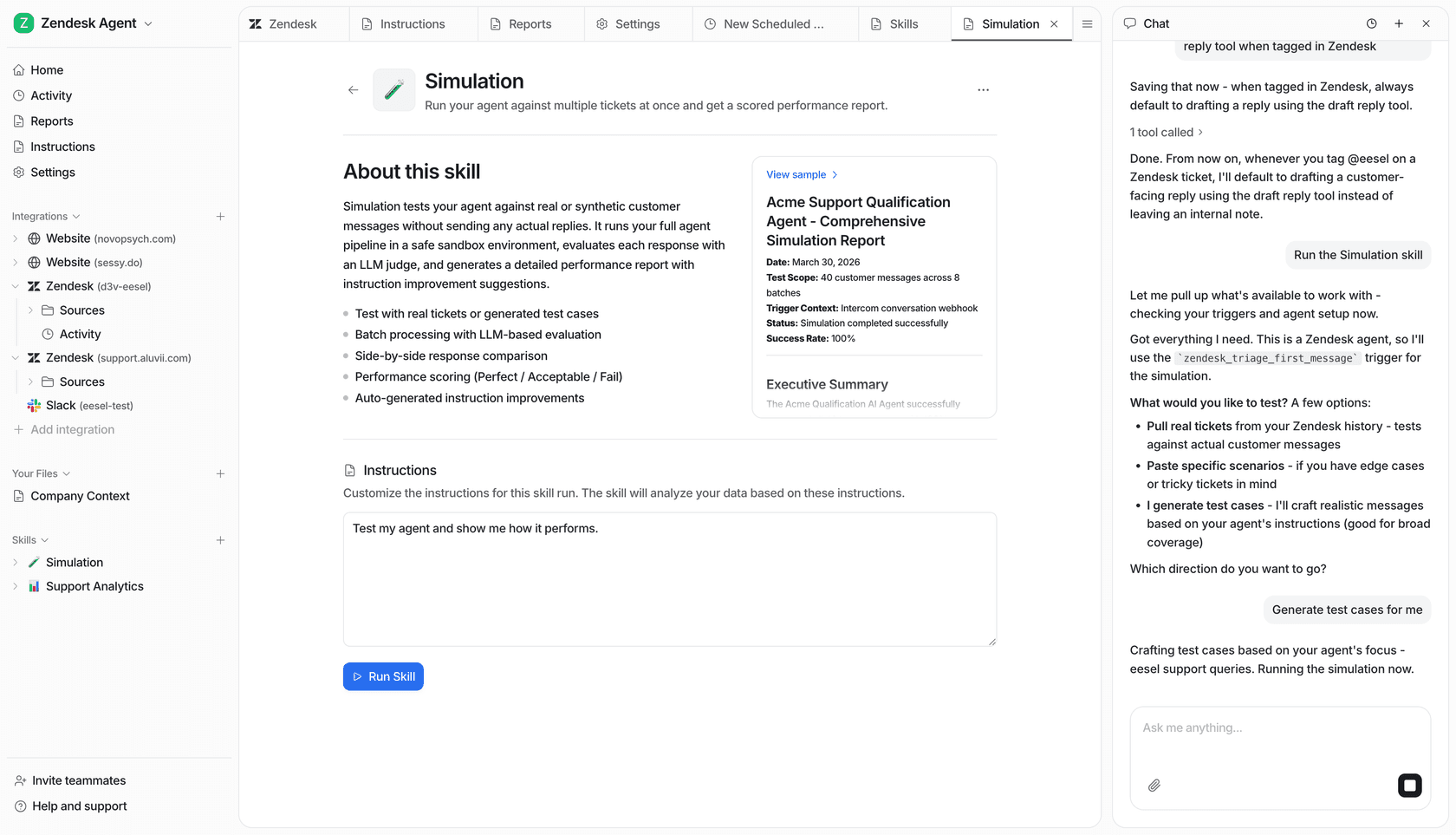
This is where having a way to simulate performance is a must. Solve Intelligence doesn't publicly talk about a simulation feature, but it's a huge part of the eesel AI platform. Before you let our AI agent talk to customers, you can run the simulation skill against hundreds of your past tickets or generated test cases. It scores each answer and suggests instruction changes, so you can tweak the agent until you feel confident. This ability to test, simulate, and roll out AI gradually is something you just don’t get with many of the older enterprise platforms.
Pricing, security, and support
For any business, the price tag and security of a new tool are make-or-break factors. Solve Intelligence does well on one of these fronts but leaves a lot to be desired on the other.
How much does Solve Intelligence cost?
Good luck finding that out. Solve Intelligence doesn't list its prices anywhere, and its enterprise page says to contact them for custom pricing. The website funnels everyone to a "Request Demo" button, which is a classic move for enterprise software that usually means custom quotes, long negotiations, and a hefty price. This lack of transparency is a huge pain for potential customers who just want to know if the tool is even in their budget. It also hints that the cost is probably pretty high and might lock you into a long-term contract.
This kind of approach leads to unpredictable costs. A much better way is to be upfront with usage-based pricing. For example, eesel AI's pricing is laid out clearly on our website. Our plans are fixed credit plans, starting at $299 a month for 500 credits, with a free tier of 100 credits to try it first. You can cancel whenever you want, putting you in the driver's seat.
| Provider | Pricing Model | Transparency | Free Trial |
|---|---|---|---|
| Solve Intelligence | Custom Quote (Not Public) | Opaque | None listed; demo request |
| eesel AI | Fixed monthly credit plans | Fully Transparent | Free to Start |
Security and confidentiality
This is one area where Solve Intelligence is on the ball, and they’re right to be. Their website shows a serious commitment to security, including:
-
No AI model training on customer data.
-
SOC 2 Type II and ISO 27001 certification, with ISO 42001 listed as in progress.
-
State-of-the-art encryption for data, both when it's moving and when it's stored.
These are the absolute minimum requirements when you're dealing with sensitive IP, and it's great that they're open about their security measures. This is in line with the security-first mindset at eesel AI, where your data is never used to train general models and is always protected with enterprise-level security.
The verdict on Solve Intelligence reviews: Is it worth it?
Looking at the available Solve Intelligence reviews and user chatter, the tool seems to be a mixed bag. For patent attorneys who don't mind changing their workflow and are prepared to spend a lot of time editing what the AI produces, it might help automate some of the more mind-numbing parts of drafting. Think of it less as an expert and more as a junior assistant who needs a lot of supervision.
But the big downsides, a browser editor that can pull you out of Word, zero pricing transparency, and a demo request as the only way to get started, make it tough to recommend for everyone. The legal tech world is still figuring things out, and as one Redditor said, many products feel like they're "in their infancy." For many lawyers, the time spent prompting, reviewing, and fixing the AI's mistakes just doesn't add up, especially for a high, unknown price.
A flexible alternative: eesel AI
While Solve Intelligence is focused on a very specific legal niche, most businesses need AI that’s flexible, easy to set up, and has clear pricing. If your real goal is to automate workflows, answer questions, and make your customer support or internal teams more efficient, a platform like eesel AI is a much better fit.

With eesel AI, you get:
-
Radical Simplicity: Get started in minutes with one-click connections for tools you already use, like Zendesk, Slack, Confluence, and Google Docs.
-
Total Control: A fully customizable workflow engine means you decide exactly what the AI does and how it responds.
-
Transparent Pricing: Clear, predictable plans you can choose right from our website, no sales call needed.
-
Risk-Free Simulation: Test your AI on past data so you can deploy it with total confidence.
Instead of fighting with a rigid and mysterious tool, you can give your teams AI that actually works for them. Give eesel AI a try today and see just how simple powerful automation can be.
Frequently asked questions
Is Solve Intelligence generally effective for patent drafting, according to Solve Intelligence reviews?
Reviews lean positive on G2, where Solve Intelligence Patent Copilot scores 4.9 out of 5 across 17 reviews and users most often mention time savings. Opinions elsewhere are more divided, and since patent drafts still need careful attorney review, I'd treat it like a junior assistant who needs oversight.
What do Solve Intelligence reviews say about the quality of the AI-generated patent drafts?
On G2, the few criticisms of Solve Intelligence are single mentions of a steep learning curve and slow drawing generation, while reviewers praise its drafting capabilities. Concerns about generic drafts that lack strategic nuance come up more in general patent-AI discussions, so test the output on your own invention disclosures before committing.
How do Solve Intelligence reviews describe the user experience and integration with existing legal workflows?
A common complaint in Solve Intelligence reviews is that drafting happens in a separate browser-based editor rather than a native Microsoft Word plugin, which can mean exporting and importing. Solve's homepage now lists Microsoft Word as an integration, so confirm the scope in a demo.
What do Solve Intelligence reviews reveal about the platform's pricing structure?
Solve Intelligence reviews point out a significant lack of pricing transparency, as costs are not publicly listed and require a sales demo and custom quote. This opaque model suggests an enterprise-level price and potentially restrictive long-term contracts.
Based on Solve Intelligence reviews, what is the typical onboarding process like, and is there a free trial?
Solve's site lists no free trial or self-serve sign-up; the call to action is to book a demo. That sales-first approach means you may not get to test the software on your own cases until after you've talked to the company.
What do Solve Intelligence reviews and the company's information say about data security and confidentiality?
Solve Intelligence's own security page describes a strong commitment to security, including SOC 2 Type II and ISO 27001 certification, with ISO 42001 in progress. They emphasize that customer data is never used for AI model training, ensuring confidentiality.