

Ever typed "Sieve AI" into Google and ended up more confused than when you started? You're not alone. The search results are a jumble of different companies, projects, and tools that all sound vaguely the same, making it tough to figure out who’s who in the busy world of AI. It's a common problem when a good name gets picked up by a few different folks.
This article is your guide. We're going to untangle the mess and then focus on the main company you're probably looking for in the business world: "sievedata.com". We’ll break down what it actually does, who should use it, and help you decide if it’s the right fit for your team. If you're a tech leader or product manager trying to see where Sieve fits into your stack, stick around.
What is Sieve AI? Untangling the different platforms
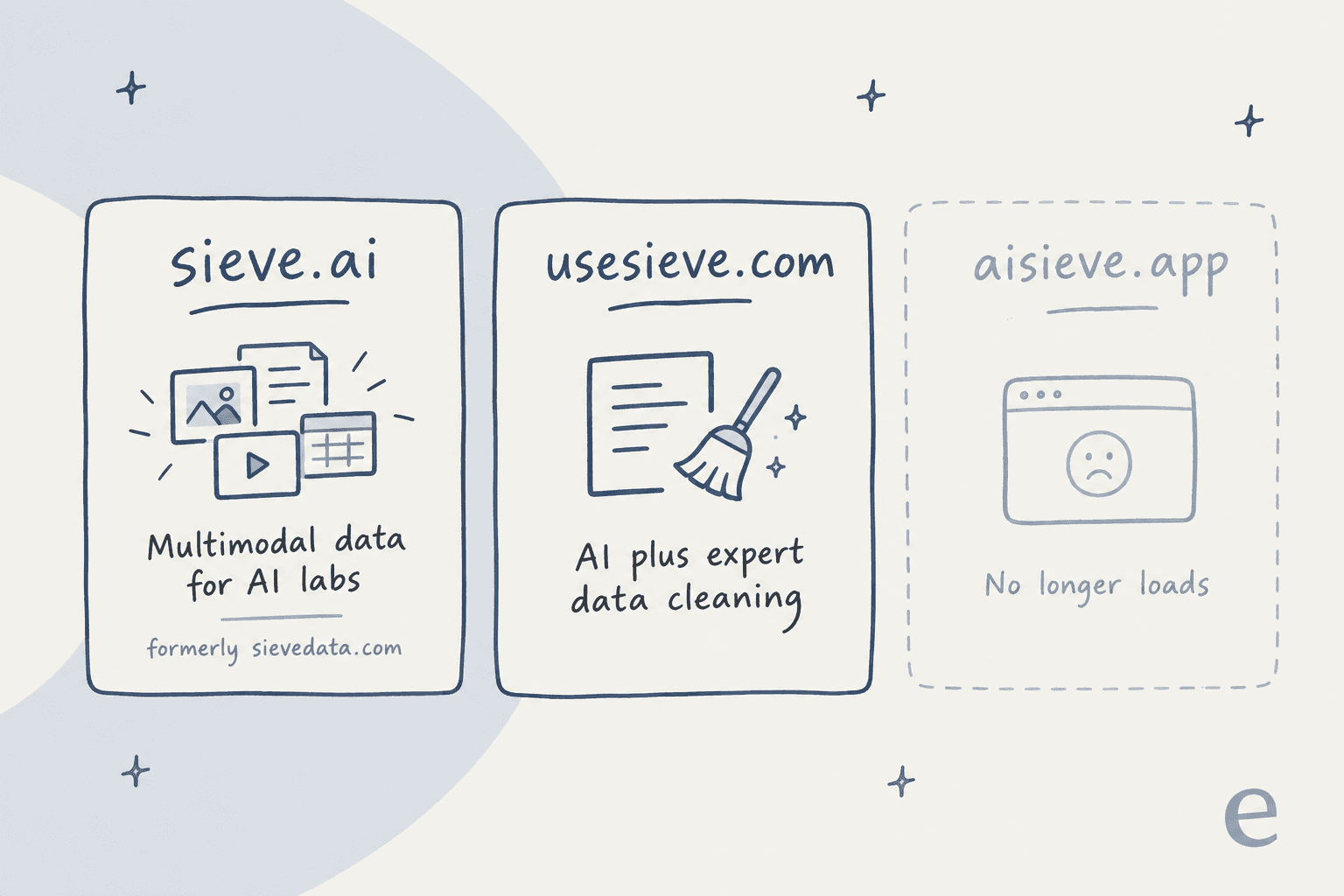
So, what's the deal? Well, there isn't just one "Sieve AI." The name is used by a few completely separate groups, which is where all the confusion comes from. Let's quickly sort them out.
-
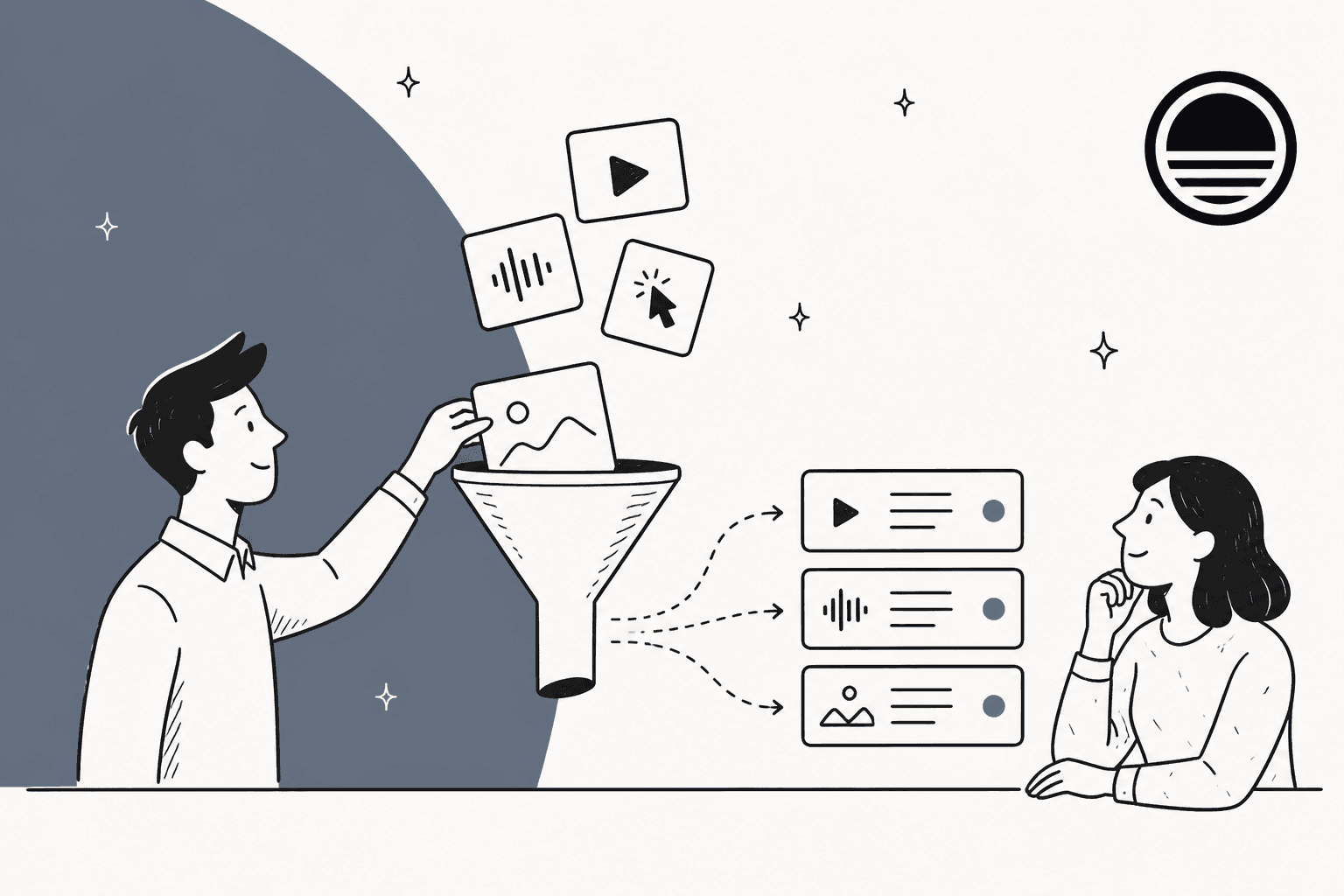
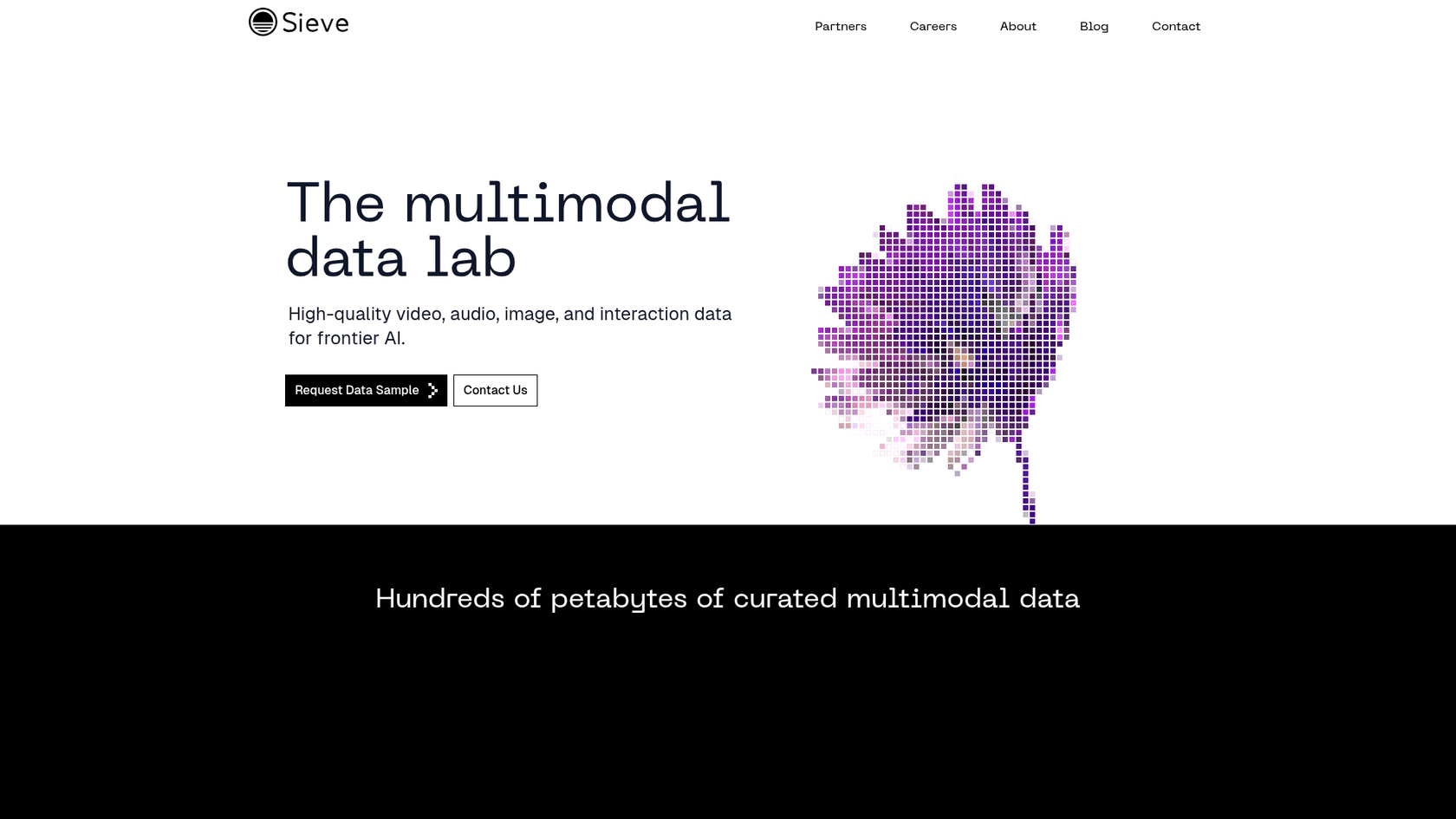
Sieve (sievedata.com, now sieve.ai): This is the one we'll be spending most of our time on. It began as an AI infrastructure and developer platform that came out of Y Combinator (W22). Its early focus was helping engineers process huge amounts of video and audio data, and it now supplies multimodal datasets to AI labs.
-
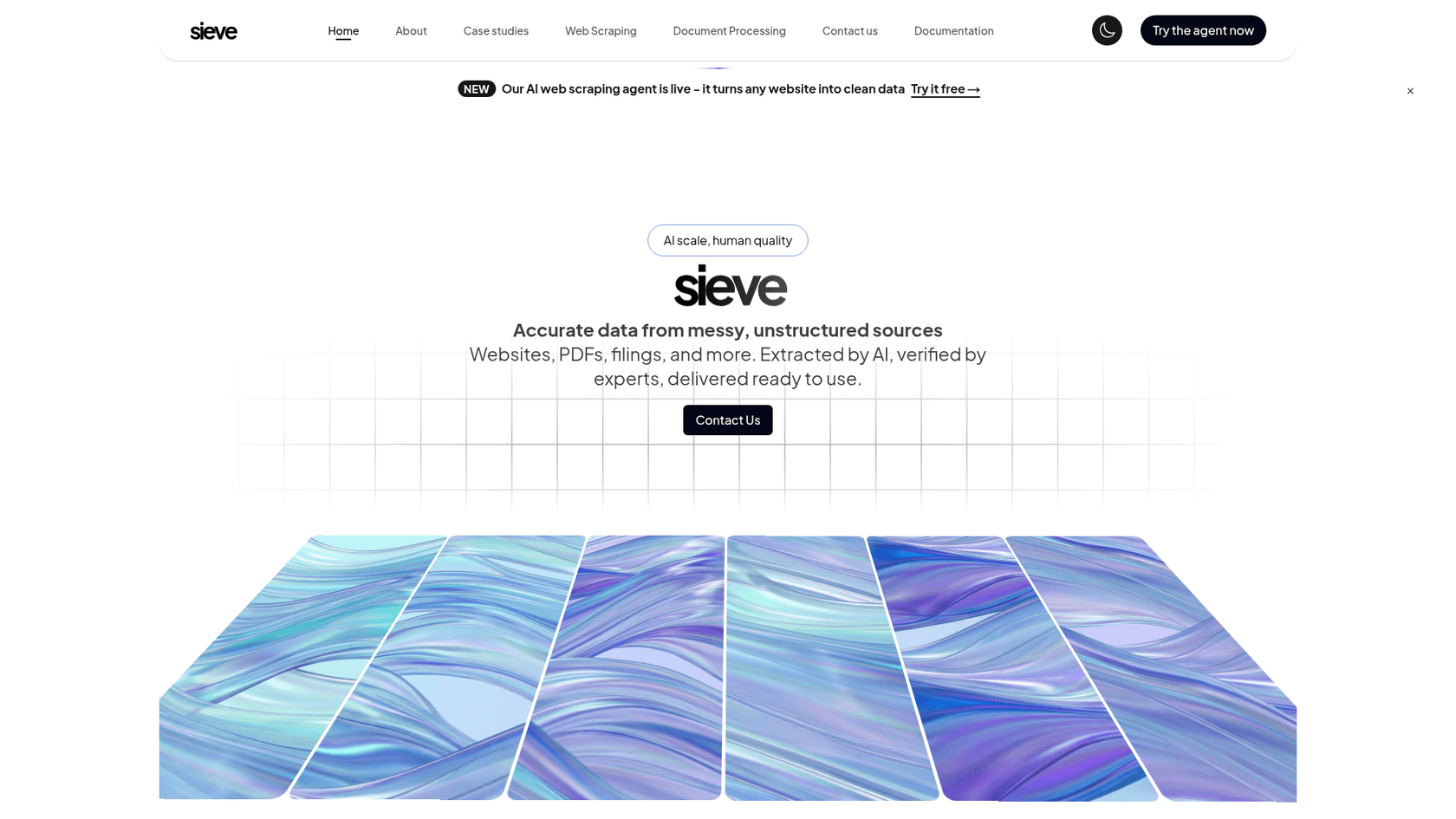
sieve (usesieve.com): Also a YC company (Spring 2025), but with a totally different goal. This platform uses a blend of AI and human experts to clean up messy data with very high accuracy. They're starting out in the finance world, helping places like hedge funds make sense of complicated financial information. It also runs an AI web scraping agent that turns websites into structured data.
-
AI Sieve (aisieve.app): This one was for everyday users, not businesses. It was a learning app where you could upload a video or podcast and get summaries, transcripts, and chapters. The domain no longer loads as of October 2026.
-
Other Mentions: To add to the mix, you'll find smaller, personal projects online, like a tool for sorting through resumes. These are part of the noise but aren't established companies.
For the rest of this guide, when we say Sieve AI, we're talking about "sievedata.com" (now sieve.ai). It's the most relevant one for businesses building AI products.
A deep dive into Sieve AI (sievedata.com)
Update, October 2026: In its March 2026 post Reintroducing Sieve, the company says it moved from video APIs to supplying multimodal datasets end to end. The sievedata.com address now redirects to sieve.ai.
At its start, Sieve gave developers the tools to build smart AI features for video and audio directly into their own products. Imagine you're building a new app that needs to transcribe meetings, identify who's speaking, or translate a video into another language. Instead of spending a year and a ton of money building those AI models and the complex systems to run them from the ground up, you can use Sieve's pre-built components to handle the heavy lifting.
The company's mission is to break through the data bottleneck that often slows down video AI development. It's a very specialized, developer-first tool. An example from the API era is the screen recording tool Zight, which used Sieve for features like automatically creating titles and summaries for users' videos (the original Zight post is no longer online). Zight focuses on their core product, while Sieve handles the complex AI in the background.
Key features of Sieve AI
Sieve is all about giving engineers programmatic control over video and audio content. It's less of a user-friendly interface and more of a box of powerful parts. Here’s a look at what the API platform offered before the shift to datasets (docs.sievedata.com no longer resolves, so I could not re-check these against current documentation).
-
Video and Audio AI APIs: Sieve has a whole library of functions for common AI jobs. This includes things like top-notch speech-to-text transcription, figuring out when different people are speaking (speaker detection), finding the most important moments in a long video, or even dubbing a video into other languages. These are all available as simple API calls for developers.
-
Developer-First Infrastructure: The key thing to remember is that Sieve gives you the Lego bricks, not the finished spaceship. It’s built for engineers who need to plug these AI capabilities into their own applications. You can't just log in and start using it without writing some code.
-
Scalability and Performance: Processing media can create huge, unpredictable spikes in server load. Sieve’s platform is designed to handle these "bursty" workloads without breaking a sweat. It also lets developers make smart trade-offs between cost, speed, and quality, which is something you absolutely need when you're running a live application.
-
Customization Options: While the ready-made functions are great, Sieve knows that one size doesn't fit all. Teams can also deploy their own custom AI models and code on top of Sieve's infrastructure. This gives you a lot more flexibility than you’d get from a more rigid, out-of-the-box solution.
Who is Sieve AI for?
Sieve isn't trying to be everything to everyone. It has a very specific user in mind. Before its pivot, this platform was built for:
-
Software developers and AI/ML engineers who are comfortable working with APIs.
-
Product teams at tech companies that deal with a lot of video or audio, like social media platforms, content creation tools, or communication apps.
-
Any company that wants to add features like content moderation, automatic transcriptions, or video analysis to its product.
It’s just as useful to know who Sieve is not for. It isn't built for business teams that need a solution they can use right away. Think about customer support, IT, sales, or HR teams. A support manager, for instance, couldn't use Sieve to automatically answer customer tickets. They would need to hire a team of engineers to design, build, and maintain a whole new system from scratch using Sieve's APIs as a starting point.
Sieve AI pricing
You won't find a pricing page on Sieve's website. They use a "contact sales" model: datasets are sold under a purchase agreement based on data volume, task complexity, and annotations. This usually means the pricing is customized to what you buy.
While this approach can work for large companies with big budgets, it can be a real roadblock for smaller teams or those who need clear, predictable costs. It also means you can't just sign up and start playing around with the tool, you have to go through a sales process first, which can slow things down.
Why Sieve AI isn't the answer for your support team
Sieve is a fantastic tool for its specific audience: developers. But its biggest strengths for them become its biggest weaknesses when you consider it for a completely different job, like automating customer support.
If you're a support manager looking for ways to cut down on tickets or help your agents work faster, grabbing a developer-first tool like Sieve is like trying to build a house with just a pile of lumber and a nail gun. It's technically possible, but it’s going to be a long, expensive, and frustrating process. Here's why it's not the right fit:
-
It demands a lot of engineering time: Sieve isn't a business app: it supplies APIs and datasets for people who build AI. To make it do anything for your support team, you’d need developers to build a custom solution, connect it to your help desk, and keep it running. This isn't a one-and-done setup, it's a full-blown, ongoing product development project.
-
It's not designed for support work: It's missing all the basic features that support teams rely on. There's no way to automatically route tickets, no tools to help agents draft better replies, and no safe "simulation mode" to test how the AI would perform on your past tickets before you unleash it on live customers. You'd have to build every single one of those features yourself.
-
The wait to see results is incredibly long: Realistically, building a dependable support automation system using Sieve's APIs would take months of your engineering team's time. You’d be waiting a long time before you saw any actual impact on your ticket volume or customer satisfaction scores.
For teams that need to automate support, a purpose-built platform is a much better way to go. A solution like eesel AI is designed from the ground up to solve these exact problems without requiring you to have a team of developers on standby.
Where Sieve gives you the raw materials, eesel AI gives you a finished product. You can connect it to your help desk and knowledge sources (like your Confluence or Zendesk help center) and have it running in minutes, not months. The platform is completely self-serve with clear, public pricing, so you always know what you're getting and what it will cost. With simple, one-click integrations for help desks like Freshdesk and Intercom, you can get up and running almost instantly.
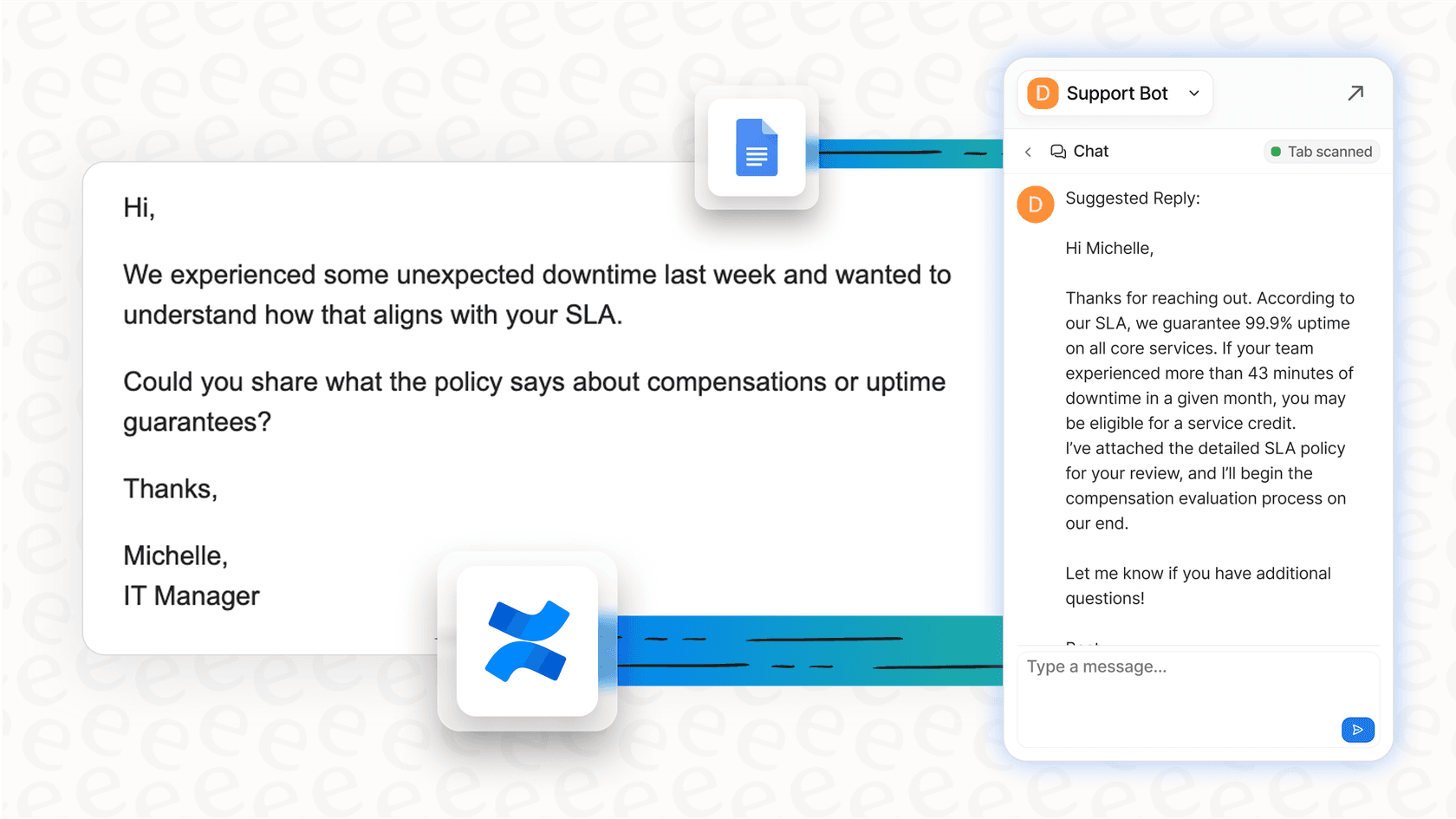
eesel AI's helpdesk teammate drafts replies, triages tickets, and flags escalations for your team to review, and you choose whether it sends replies or only drafts them.
| Feature | Sieve AI (sievedata.com) | eesel AI |
|---|---|---|
| Primary Use Case | Multimodal training data for AI labs (earlier: video/audio APIs) | Automating customer support & internal Q&A |
| Target User | Developers, AI Researchers | Support Managers, IT Leads, Business Users |
| Setup & Onboarding | Sales process, then dataset delivery | Self-serve, go live in minutes |
| Help Desk Integration | Custom build required | 1-click for Zendesk, Freshdesk, etc. |
| Pricing Model | Custom / Contact Sales | Public credit plans from $299/month (1 credit per ticket or chat) |
| Time to Value | Months | Minutes |
Sieve AI: Choosing the right AI tool for the job
The name "Sieve AI" can definitely send you down a few rabbit holes. But the main company, "sievedata.com", started as an infrastructure platform for developers who work with video and audio and is now a multimodal data lab for AI teams. It’s a highly specialized supplier, designed to feed a larger system, not a standalone solution.
The most important thing to remember is that the "best" AI tool is the one that's built to solve your specific problem for your specific team. Sieve serves research and engineering teams that need training data or custom AI building blocks. On the other hand, eesel AI is a "ready-to-go" platform for business teams that want to automate their support and internal knowledge sharing without writing a single line of code.
If your goal is to reduce ticket volume, make your agents more efficient, and bring all your company knowledge together, then a tool built for that exact purpose is what you need.
Frequently asked questions
What is Sieve AI (sievedata.com) primarily designed to do?
Sieve AI (sievedata.com, now sieve.ai) describes itself as a multimodal data lab that supplies video, audio, image, and interaction datasets to AI labs. It began as a developer platform with APIs for video and audio tasks like transcription and analysis.
Who is the ideal user or team for Sieve AI from sievedata.com?
Today the buyers are AI research teams and labs that need training data. Before its move to datasets, the ideal users were software developers and AI/ML engineers who wanted to integrate video and audio AI capabilities into their own applications.
How can I tell the difference between the various platforms that use the name Sieve AI?
While several platforms use "Sieve AI," the primary one for businesses building AI products is sievedata.com, which now redirects to sieve.ai. Another notable platform is usesieve.com for high-accuracy data cleaning, and the aisieve.app domain for personal video/podcast summaries no longer loads.
Can Sieve AI be directly used by a business team, such as for customer support automation?
No, Sieve AI is not a support product and is not designed for direct business use like customer support automation. It requires significant engineering effort to build custom solutions and would not serve as a ready-to-use business application.
What types of AI features can developers build using Sieve AI's APIs?
Before its move to datasets, developers could build a wide range of features using Sieve AI's APIs, including top-notch speech-to-text transcription, speaker detection, key moment extraction from video, and video dubbing into other languages. It offers the foundational components for complex media AI.
How does the pricing model for Sieve AI (sievedata.com) work?
Sieve AI utilizes a "contact sales" model. Datasets are sold under a purchase agreement based on data volume, task complexity, and annotations, and there is no public price list.